
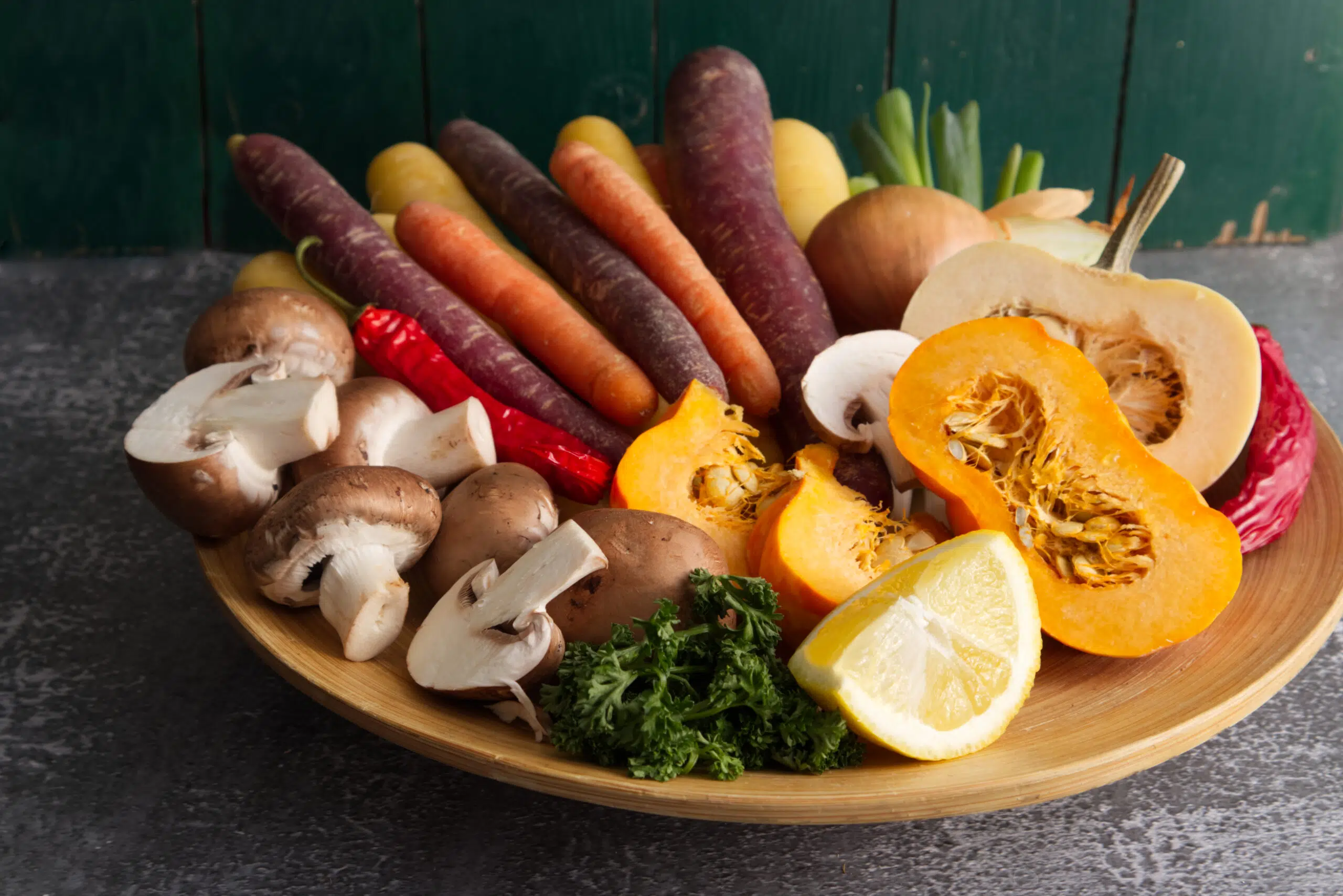
Winter offers a surprising bounty of winter vegetables that not only bring comfort and flavor, but also deliver an impressive dose of plant-based protein. While many associate protein primarily with meat or legumes, several seasonal vegetables—such as spinach, potatoes, Brussels sprouts, mushrooms, green peas, and parsnips—quietly support daily protein needs. These protein-rich vegetables are also loaded with fiber, vitamins, and antioxidants, making them essential allies for health and taste throughout the colder months.
Why choose winter vegetables for protein?
During the winter season, incorporating seasonal vegetables into meals does more than add variety. Many of these ingredients help support immune defenses and maintain energy when sunlight is limited and fresh fruit options dwindle. Their unique nutrient profiles fill nutritional gaps, providing much-needed vitamins and minerals.
Emphasizing protein-rich vegetables in the diet helps those seeking a balanced intake, especially for anyone looking to increase plant-based foods or diversify away from animal products. The colder months serve as an ideal time to experiment with these versatile vegetables while reaping their numerous benefits.
Spinach: more than just leafy greens
Spinach often shines for its iron content, but it also stands out among leafy greens for its remarkable protein contribution. A cooked cup delivers over 5g of protein, supporting both bone and immune health during winter’s chill.
In addition to protein, spinach supplies vitamin K, magnesium, folate, and vitamin A. These nutrients work together to strengthen bones and reinforce the body’s natural defenses against seasonal illnesses.
Enjoying spinach in winter dishes
Sautéed with garlic and olive oil, spinach transforms into a flavorful side dish. Folding it into omelets or scrambled eggs adds vibrant color and texture. Blending it into creamy soups boosts both silkiness and protein content, offering warmth on cold days.
Opting for cooked rather than raw preparations increases the amount of spinach consumed per serving. Mixing spinach into casseroles, pasta bakes, or gratins further amplifies nutrition and enhances hearty winter meals.
Pairing spinach with other seasonal staples
Combining spinach with russet potatoes or other root vegetables creates filling, nourishing grain bowls. Adding wilted leaves to roasted squash or mixing them into salads with quinoa or farro brings freshness and a new spin to classic comfort foods.
Blending spinach with mushrooms or broccoli broadens the range of flavors and ensures each meal is rich in vital nutrients.
Russet potatoes: hearty and surprisingly high in protein
Often underestimated, russet potatoes offer nearly 5g of protein per medium potato—especially when eaten with the skin. They are also packed with potassium and fiber, which contribute to satiety and steady energy throughout the day.
Their adaptability makes russet potatoes a staple for winter cooking. Paired with other winter vegetables, they can anchor comforting family-style dishes and keep everyone satisfied.
Baking, roasting, or mashing potatoes
Baked whole, russet potatoes become a filling meal when topped with sautéed vegetables or lean cheese. Roasting chunks alongside carrots, Brussels sprouts, and mushrooms creates colorful trays perfect for sharing around the table.
Mashing potatoes with Greek yogurt, butter, or even cooked greens such as kale or chard elevates their protein profile. In stews, soups, and gratins, sliced potatoes absorb savory broths and enhance overall heartiness.
Potatoes in winter salads and bowls
Cubed and added to lentil or green pea salads, russet potatoes provide substance and subtle earthiness. Chilled, roasted potato pieces combine well with chopped kale, chard, beets, and a mustard vinaigrette for a satisfying winter lunch.
Diced potatoes in grain bowls, paired with spinach or sautéed mushrooms, round out a delicious and balanced plant-protein meal.
Green peas: vibrant protein on the plate
Frozen green peas are convenient and surprisingly nutritious, offering about 4g of protein per half-cup. Their sweet flavor and bright color make them a favorite addition to winter stews, risottos, and stir-fries.
Lutein, zeaxanthin, and vitamin C in peas support eye and immune health, while the combination of protein and fiber contributes to healthy digestion and a strong heart during the colder months.
Brussels sprouts: small heads, big nutrition
A cup of cooked Brussels sprouts provides roughly 4g of protein, along with generous amounts of vitamin C and fiber. Proper preparation reveals their nutty flavor and turns these mini cabbages into a highlight of any winter menu.
Roasted until crisp or shaved thin for slaws, Brussels sprouts stand out for their ability to refresh heavier winter spreads and boost both immunity and gut health.
- Toss halved Brussels sprouts with olive oil, salt, and black pepper before roasting for caramelized, crispy bites.
- Shred into slaws with apples, toasted nuts, and lemon dressing for crunch and brightness.
- Add roasted or steamed Brussels sprouts to grain bowls or layered vegetable gratins for extra protein and fiber.
Mushrooms: protein-packed fungi
Mushrooms may be fungi, but they earn a place among winter favorites thanks to their earthy flavor and reliable presence in cold-weather recipes. Each cup delivers 2–3g of protein, plus rare brain-supporting nutrients like ERGO (ergothioneine) and, when exposed to light, valuable vitamin D.
Rich in B vitamins, mushrooms help fill nutritional gaps common during darker months and lend satisfying texture to a wide array of winter dishes.
Incorporating mushrooms into winter meals
Thick-cut mushrooms roast beautifully with thyme or rosemary, adding depth to risottos and pastas. Sautéed slices enrich gravies, omelets, and noodle bowls, while their meaty texture shines in creamy soups and stews.
Stuffed mushroom caps with grains or cheese create easy appetizers brimming with protein and umami. Combining mushrooms with root vegetables builds complex, satisfying flavors perfect for winter mains.
Blending mushrooms with other protein-rich vegetables
One-pan roasts featuring mushrooms, spinach, Brussels sprouts, and parsnips showcase savory notes without overwhelming the palate. Layering mushrooms atop mashed potatoes infuses classic sides with nutrients and robust flavor.
Adding grilled or baked mushrooms to grain or bean salads introduces substance and a healthy twist to everyday meals.
Parsnips: sweet roots with a hint of protein
Among root vegetables, parsnips stand out for their gentle sweetness and respectable 2g of protein per cooked cup. Their flavor intensifies after frost, making them ideal for roasting, pureeing, or blending into warming soups.
Packed with vitamin C, potassium, manganese, and folate, parsnips join beets, carrots, rutabagas, and turnips as key players in the winter kitchen, contributing both nourishment and versatility.
- Roast parsnip wedges with Brussels sprouts, carrots, and onions for a simple yet satisfying side.
- Blend cooked parsnips into creamy purees or mash with potatoes for a lighter take on traditional sides.
- Chop parsnips for inclusion in beef or vegetarian stews, where they soak up flavorful broths.
Embracing seasonal eating with protein-rich winter vegetables
Rotating these six vegetables through weekly menus ensures access to plant protein, fiber, and a spectrum of health-promoting nutrients all winter long. Dietitians recommend varying produce choices by season—not only to maximize nutrition, but also to keep meals exciting and satisfying.
Whether roasted, sautéed, pureed, or tossed into salads, winter vegetables like spinach, green peas, mushrooms, Brussels sprouts, potatoes, and root vegetables prove that plants alone can nourish and delight throughout the coldest months.