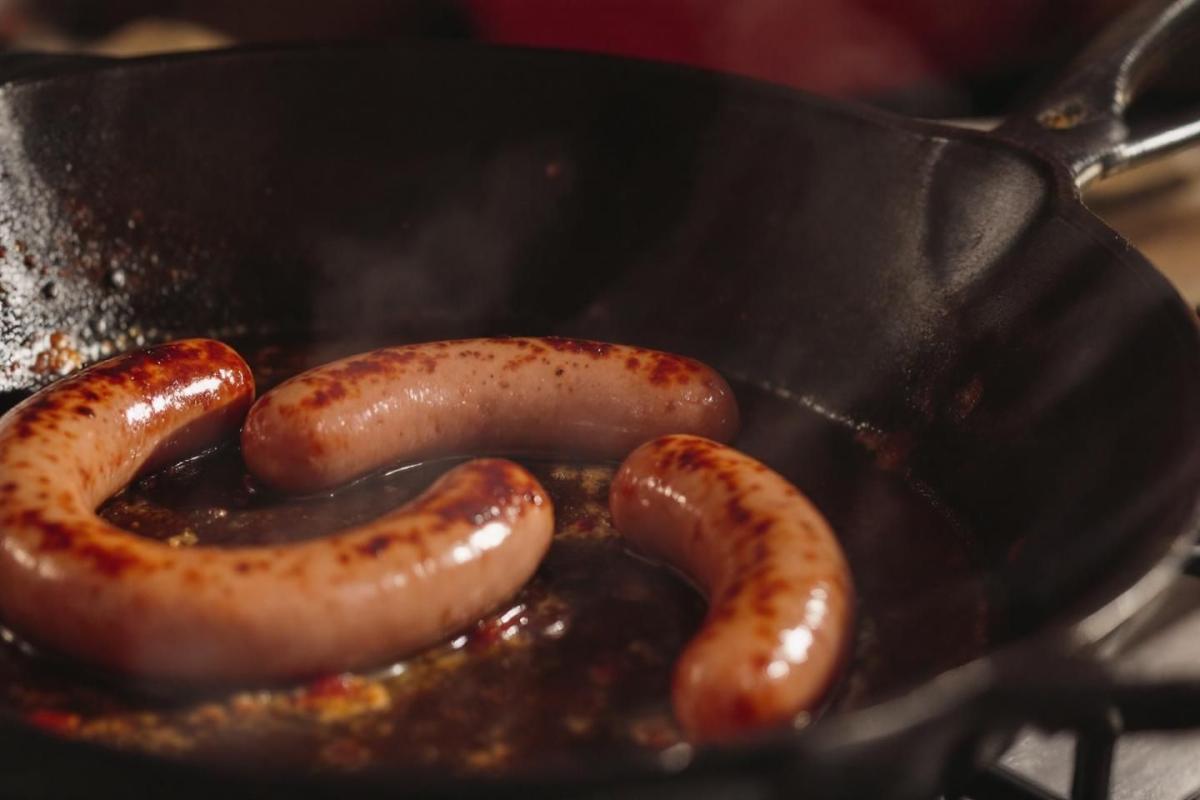
Abstract:
Stovetop bratwurst cooking delivers restaurant-quality German sausages with minimal equipment and consistent, weather-proof results indoors.
- Quality ingredients matter : Select coarse-textured bratwurst from reputable sources, pair with sliced onions, and choose flavorful liquids like beer, stock, or apple cider for enhanced taste
- Perfect technique : Sear sausages three to four minutes per side at 325-350°F, add onions, then simmer covered with liquid for ten to fifteen minutes until internal temperature reaches 160°F
- Versatile serving options : Enjoy on crusty rolls with traditional sauerkraut and mustard, over low-carb bowls, or alongside German-style potato salad and coleslaw
- Storage solutions : Refrigerate leftovers up to three days or freeze for two months ; pre-cook and refrigerate overnight for quick weeknight reheating and browning
Mastering the art of preparing bratwurst on your stovetop transforms an ordinary meal into a flavorful German-inspired feast. This traditional sausage, combining ground pork with aromatic spices like marjoram and caraway, deserves proper technique to achieve perfectly browned exteriors and juicy interiors. Unlike outdoor grilling methods, cooking brats indoors offers consistent results regardless of weather conditions, while requiring minimal equipment and supervision.
The beauty of stovetop preparation lies in its simplicity and reliability. You control the heat precisely, ensuring each link develops that coveted golden crust without bursting or drying out. Whether you’re planning a weeknight dinner or hosting an Oktoberfest celebration, this method delivers restaurant-quality results in approximately twenty minutes from start to finish.
Essential ingredients and equipment for perfect results
Success begins with selecting high-quality bratwurst from reputable butchers or trusted brands. Look for links with coarse texture rather than generic products filled with unnecessary fillers. Each sausage typically weighs around 2.7 ounces, providing substantial protein-rich portions. For those following specific dietary plans, these sausages naturally fit keto-friendly and gluten-free lifestyles when served without traditional buns.
Your ingredient list remains refreshingly brief. Besides four to ten bratwurst links, you’ll need one medium onion (red varieties work exceptionally well), one-half to one cup of liquid, and one to two tablespoons of fat. The liquid component offers creative flexibility—water serves as the basic choice, but beer adds malty depth, while chicken or beef stock contributes savory richness. For those seeking sweeter profiles, apple cider presents an intriguing alternative.
Equipment requirements stay equally straightforward. A large skillet with a lid constitutes your primary tool, with cast iron being the preferred material for superior heat retention and browning capabilities. However, stainless steel or carbon steel pans work perfectly fine. You’ll also need tongs for gentle flipping (never use forks, as piercing releases precious juices) and an instant-read thermometer to verify doneness at 160°F internal temperature.
| Component | Quantity | Notes |
|---|---|---|
| Bratwurst links | 4-10 pieces | Quality matters significantly |
| Onion | 1 medium | Red preferred, sliced lengthwise |
| Liquid | 1/2-1 cup | Beer, stock, or water |
| Fat | 1-2 tablespoons | Butter or neutral oil |
Step-by-step technique for stovetop bratwurst
Begin by heating your skillet over medium to medium-high heat with a drizzle of oil until it reaches approximately 325-350°F. This initial temperature proves crucial for achieving proper browning without burning. While the pan heats, bring your bratwurst to room temperature for more even cooking throughout the links.
Place the sausages in the hot skillet and resist the urge to move them immediately. Allow three to four minutes per side to develop a beautiful golden-brown crust. This searing step, which cannot be skipped, creates layers of flavor through the Maillard reaction. Use tongs exclusively for flipping, maintaining the casing’s integrity to preserve internal juices.
Once properly browned on all sides, add your sliced onions around the sausages. Stir briefly to coat them with the pan’s fat, cooking for approximately two minutes until they begin turning golden. At this point, carefully pour your chosen liquid into the skillet—the mixture will sizzle dramatically, so exercise caution. Immediately cover the pan with its lid and reduce heat to medium-low, allowing the steam to work its magic.
Continue cooking covered for ten to fifteen minutes, flipping the links once at the halfway point. This covered cooking method keeps the sausages moist while promoting faster, more even cooking. The hot steam circulating within the covered pan ensures the tops don’t lose heat, a common problem when cooking uncovered. Much like mastering how to cook a brisket in the oven, patience during this phase pays dividends in the final product’s quality.
After the cooking time elapses, verify doneness using your instant-read thermometer. The internal temperature must reach 160°F for food safety. Remove the brats from the skillet and increase heat to reduce the liquid and onions into a flavorful sauce. Season with salt and pepper, stirring frequently for two to three minutes until the mixture reaches sauce consistency. Return the sausages briefly to coat them in this reduction before serving.
Serving options and accompaniments
Traditional German presentation calls for crusty white bread rolls similar to hoagie-style buns, though soft hot dog buns or pretzel rolls work beautifully. For those avoiding carbohydrates, serve sliced bratwurst over protein bowls with cauliflower or low-carb vegetables. The versatility of this dish allows endless customization based on dietary preferences.
Condiment choices range from classic brown mustard to more adventurous toppings. Sauerkraut remains the quintessential accompaniment, providing tangy contrast to the rich sausage. Consider adding grilled peppers, pickled jalapeños, or crispy romaine lettuce for textural variety. Some prefer mayonnaise spread generously on the bun, creating a creamy foundation that complements the savory meat.
Side dish pairings lean heavily toward German-inspired favorites. Potato salad (either German-style with vinegar or American-style with mayonnaise), creamy coleslaw, and baked beans all serve as excellent accompaniments. For lighter options, arugula salad or cucumber salad provide refreshing counterpoints. When preparing multiple components, techniques similar to how long to cook pork chops in an air fryer can help coordinate timing efficiently.
Beverage pairings naturally gravitate toward German-style lagers or malty beers, particularly during Oktoberfest celebrations. The carbonation and slight bitterness of beer cuts through the sausage’s richness, cleansing the palate between bites. For non-alcoholic options, crisp apple cider or sparkling water with lemon work wonderfully.
Storage tips and make-ahead strategies
Leftover bratwurst stores well in airtight containers within your refrigerator for up to three days. While reheated sausages lose some initial “bite,” they maintain delicious flavor when gently warmed. Reheat in a covered pan with a splash of beer or stock, or microwave for approximately one minute. For longer storage, freeze cooked brats in freezer bags for up to two months, defrosting completely in the refrigerator before reheating.
For make-ahead convenience, reverse the traditional cooking order. Place raw sausages in a heavy skillet with one-half cup water, cover, and bring to a boil. Simmer covered for twelve minutes, then cool and refrigerate overnight. When ready to serve, brown the pre-cooked links over medium heat for approximately five minutes total, achieving fresh-cooked appearance and texture.