Abstract:
Chorizo cooking requires understanding varieties and applying proper techniques for spectacular results.
- Mexican chorizo arrives raw and needs thorough cooking to 160°F internal temperature, while Spanish chorizo comes fully cured and ready to eat
- Four proven cooking methods include stovetop browning, oven baking at 425°F, grilling with indirect heat, and air frying at 390°F
- The classic chorizo and eggs combination uses slow-scramble technique on medium-low heat for superior texture and flavor integration
- Creative applications extend beyond breakfast to gourmet burgers mixed with ground beef, pasta sauces, and pizza toppings
- Homemade versions with leaner meat significantly reduce grease while maintaining authentic spiced flavor profiles
Chorizo stands as one of the most flavorful and versatile ingredients you can master in your kitchen. This spiced pork sausage brings bold flavor to countless dishes, from breakfast scrambles to gourmet burgers. Whether you’re working with raw Mexican chorizo or pre-cooked Spanish varieties, understanding the proper cooking techniques transforms this ingredient into something truly spectacular. The key lies in recognizing that different types require distinct approaches, and knowing which method suits your recipe makes all the difference between a mediocre meal and an unforgettable culinary experience.
Understanding the different varieties before cooking
Before you start cooking, recognizing the type of chorizo you’re working with is absolutely essential. Mexican chorizo arrives raw and requires thorough cooking before consumption, distinguished by its vibrant red coloring from dried chilies. This variety commonly appears in breakfast dishes throughout the southern United States and carries a softer, looser texture compared to its European counterpart.
Spanish chorizo, conversely, comes fully cured and hard, ready to slice and eat without additional cooking. This pre-cured variety works beautifully in dishes like paella, where it simply needs warming through. The confusion between these two types often leads to cooking mistakes, so always check your packaging carefully.
Store-bought Mexican chorizo tends to be exceptionally greasy since it’s traditionally made from various pork parts to minimize waste. Creating homemade versions with leaner meat significantly reduces excess grease while maintaining authentic flavor. You’ll need dried whole chilies like Guajillo, Ancho, and Hatch varieties, along with garlic, specific spices, and a splash of apple cider vinegar mixed into the leanest breakfast sausage you can find.
Preparing and cooking techniques for optimal results
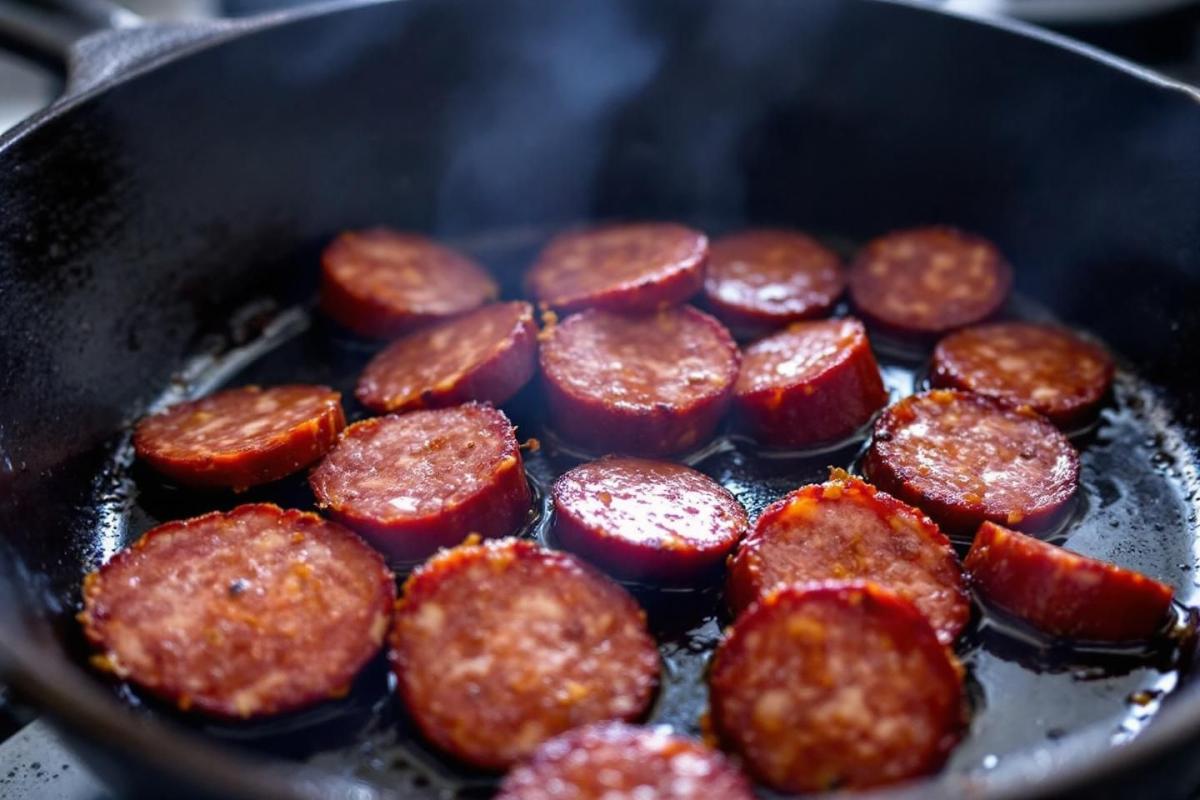
When cooking Mexican chorizo on the stovetop, proper heat management makes the crucial difference. Start by heating oil in a large skillet over medium-high heat, then reduce to medium-low once you add the chorizo. Break up the sausage into chunks using a wooden spoon, allowing it to render its fat naturally for several minutes before fully cooking through.
For those preferring different cooking methods, here are four proven approaches :
- Grilling : Chill chorizo patties or links for thirty minutes beforehand, then place on indirect heat with mesquite smoke for approximately ten minutes before moving to direct heat until reaching 155-160°F internally
- Oven baking : Preheat to 425°F, place on a cooking spray-coated shallow pan, and bake for nineteen to twenty-one minutes, turning once
- Stovetop browning : Use medium-high heat for initial browning, then add water, cover, and simmer on medium-low for twelve minutes
- Air frying : Preheat to 390°F and cook in a single layer for nine to eleven minutes, similar to how long to cook pork chops in an air fryer, ensuring proper internal temperature
The internal temperature target remains consistent across methods : 160°F for fully cooked safety. Always use a meat thermometer to verify doneness rather than relying solely on visual cues or cooking times, which can vary based on thickness and starting temperature.
Classic chorizo and egg combination
Scrambling chorizo with eggs creates a buttery, spicy breakfast that’s deeply rooted in Mexican culinary tradition. This dish, known as chorizo con huevos, requires approximately twenty minutes from start to finish and yields four generous servings perfect for weekend mornings or special occasions.
Begin by sautéing diced white onion in vegetable oil for three to five minutes until softened. If you enjoy heat, add minced jalapeño and cook for two additional minutes. Then introduce the chorizo, breaking it into chunks and cooking until softened before adding eight scrambled eggs to the mixture.
An alternative slow-scramble method produces superior texture and flavor integration. After cooking your chorizo with onions for about eight minutes until beginning to brown, turn the heat down to medium-low. Beat eggs thoroughly in a separate bowl with generous seasoning, then add them to the pan. Use a silicone spatula to slowly scrape cooked eggs from the sides toward the center, allowing uncooked portions to flow into open spaces.
| Cooking Stage | Temperature | Time Required |
|---|---|---|
| Initial chorizo browning | Medium-high | 2-3 minutes |
| Onion softening | Medium | 8 minutes |
| Egg scrambling | Medium-low | 5-7 minutes |
Remove the pan from heat when eggs still appear slightly moist, letting residual heat finish the cooking process. Serve immediately with warm tortillas, refried beans, cilantro, and your favorite salsa.
Creative applications beyond traditional recipes
Expanding beyond breakfast preparations, chorizo elevates burgers to exceptional levels when mixed with quality ground beef. Combine one part chorizo with two parts 80/20 beef, forming baseball-sized portions that you flatten into patties. Refrigerate for thirty minutes before grilling, as chilled chorizo behaves better over high heat.
Season your patties with mesquite or your preferred seasoning just before grilling. Place them on the indirect heat side of your grill initially, giving them approximately ten minutes in a smoke bath if using wood chunks. Grill until reaching 155°F internally, then top with fried eggs, cheddar or pepper jack cheese, red onion, and mayonnaise for an unforgettable burger experience.
The versatility of properly cooked chorizo extends to countless other dishes. Pair it with potatoes for chorizo con papas, incorporate it into pasta sauces, or use it as pizza topping. When working with lean homemade versions, you can even substitute venison for pork, creating a unique game meat variation that maintains the characteristic spice profile while offering different nutritional benefits. Much like how to cook a brisket in the oven requires patience and proper technique, mastering chorizo preparation rewards you with versatile results that transform ordinary meals into memorable dining experiences worth sharing with family and friends.