Abstract:
Air fryer technology transforms thick beef cuts into restaurant-quality meals with impressive speed and minimal mess.
- Cut selection matters : Choose beef at least one inch thick such as ribeye, New York strip, or filet mignon with generous marbling for optimal results
- Precise temperature control : Preheat to 400°F and cook 8-16 minutes depending on desired doneness, flipping halfway through for even browning
- Essential preparation steps : Allow meat to reach room temperature, pat completely dry, season generously, and ensure proper air circulation by avoiding overcrowding
- Resting is crucial : Remove beef five degrees before target temperature and rest 5-10 minutes for optimal juice redistribution
- Practical advantages : Total cooking time of 25-35 minutes with minimal kitchen mess, perfect for apartments without outdoor grilling space
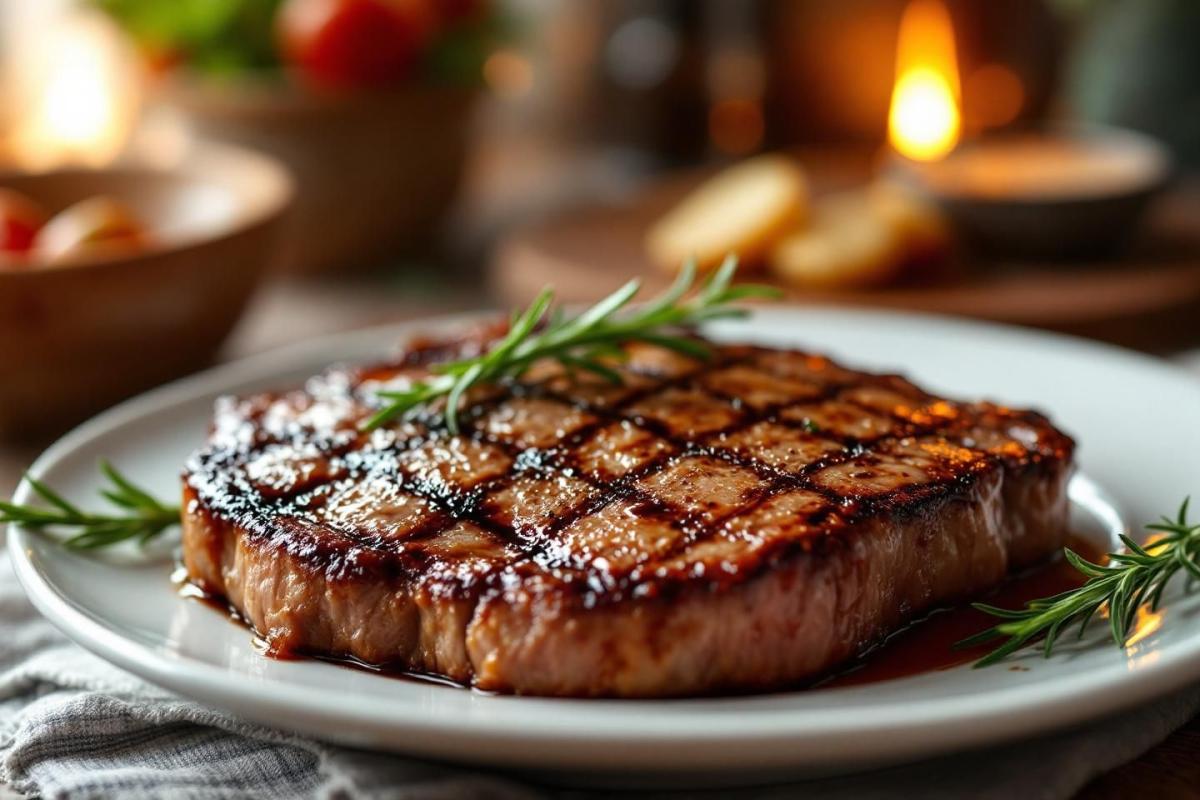
Transforming a thick cut of beef into a perfectly seared, restaurant-quality meal has never been easier than with this convenient kitchen appliance. The circulating hot air technology delivers impressive results in less than half the time of traditional grilling methods, creating a beautifully caramelized exterior while maintaining tender, juicy perfection throughout. Whether you live in an apartment without outdoor space or simply want to avoid the splatter and mess of stovetop searing, this cooking method revolutionizes how you prepare premium cuts without sacrificing flavor or texture.
Selecting the right cut and preparing for optimal results
The foundation of exceptional air-fried beef begins with choosing cuts at least one inch thick. Thinner pieces cook too rapidly, preventing adequate browning before reaching your desired internal temperature. Ribeye stands out as a top recommendation due to its generous marbling and rich flavor profile, though New York strip, filet mignon, porterhouse, T-bone, and top sirloin all deliver outstanding results when prepared correctly.
Before cooking begins, allow your beef to rest at room temperature for twenty to thirty minutes. This crucial step ensures even cooking throughout the entire cut, preventing a cold center while the exterior reaches proper doneness. Pat each piece completely dry using paper towels, removing all surface moisture that would otherwise create steam rather than the desired sear. For truly exceptional outcomes, consider seasoning your cuts the night before and refrigerating them uncovered, allowing the surface to dry further while the seasoning penetrates deeper into the meat.
Simple seasoning with kosher salt and freshly cracked black pepper remains the most popular approach, though you can enhance leaner cuts like sirloin with dry rubs combining garlic powder and paprika to improve overall color. Brushing both sides with olive oil promotes better browning, while alternative seasonings such as Italian herbs, Cajun spices, or lemon pepper offer flavor variations. If you prefer marinated preparations, allow one to eight hours for the flavors to develop fully. Similar techniques apply when preparing other proteins, such as when you learn how long to cook pork chops in an air fryer, where timing and temperature precision matter equally.
Temperature settings and cooking times for perfect doneness
Set your appliance to four hundred degrees Fahrenheit and allow it to preheat thoroughly before adding food. If your model lacks an automatic preheat function, run it empty for five minutes to ensure consistent cooking temperatures from the start. Models with at least 1800 watts produce superior browning results compared to lower-wattage alternatives.
For one-inch thick cuts, these cooking times deliver reliable results :
| Doneness Level | Total Cooking Time | Internal Temperature |
|---|---|---|
| Rare | 8 minutes (flip at 4 minutes) | 125-130°F |
| Medium-rare | 10 minutes (flip at 5 minutes) | 130-140°F |
| Medium | 12 minutes (flip at 6 minutes) | 140-150°F |
| Medium-well | 11-12 minutes (flip halfway) | 150-155°F |
| Well-done | 12-16 minutes (flip halfway) | 160°F or above |
An instant-read or leave-in meat thermometer proves essential for accuracy, allowing you to monitor internal temperature without guesswork. Remove your beef five degrees before reaching your target temperature, as it continues cooking during the resting period. Thinner ribeyes require reduced cooking times of seven to eight minutes for medium doneness, while variations between different appliance models may necessitate minor timing adjustments.
Never overcrowd the cooking basket. Each piece requires adequate space without touching neighboring cuts, allowing proper air circulation for optimal browning. Multiple pieces can cook simultaneously if sufficient room exists, but prioritize spacing over quantity for best results.
Finishing touches and serving suggestions
After cooking completes, transfer your beef to a clean surface and allow it to rest for five to ten minutes before slicing or serving. Cover loosely with aluminum foil to retain warmth while preventing continued cooking in the hot basket. This resting period ensures all the flavorful juices redistribute throughout the meat rather than running onto your cutting board.
For an elevated presentation, prepare garlic herb butter by combining softened unsalted butter with minced garlic, fresh parsley, Worcestershire sauce, and kosher salt. Alternative versions incorporate fresh rosemary and thyme alongside parsley for enhanced aromatic complexity. Shape the mixture into a log using parchment paper, twist the ends closed, and refrigerate for at least one hour. This compound butter stores in the refrigerator for up to two weeks or freezes for three months, providing ready-made flavor enhancement whenever needed. Top each cooked piece with a generous slice just before serving.
Complement your main course with thoughtfully selected accompaniments. Fresh salads like wedge, tomato cucumber, or spinach with strawberries and feta provide refreshing contrast. Roasted vegetables including asparagus, green beans, broccoli, or sautéed mushrooms offer nutritious sides, while various potato preparations from baked to smashed to roasted deliver satisfying heartiness. For those exploring other slow-cooked beef preparations, understanding how to cook a brisket in the oven demonstrates different timing and temperature approaches for larger cuts.
Storage recommendations and practical advantages
Leftover portions store in airtight containers for three to four days when refrigerated promptly. Reheating works best in a conventional oven preheated to 250°F until the internal temperature reaches 110°F, though your air fryer also reheats effectively. Alternatively, slice leftovers thinly, bring to room temperature, and add to salads, sandwiches, tacos, or fajitas for quick, protein-rich meals throughout the week.
This cooking method offers compelling advantages beyond convenience. The process requires approximately twenty-five to thirty-five minutes from start to finish, produces minimal kitchen mess without grease splatter, and eliminates the need for outdoor grills or smoker boxes. Apartment dwellers particularly appreciate this versatility, achieving restaurant-quality results without specialized equipment or outdoor space. The combination of crispy, seared exteriors and tender, juicy interiors consistently delivers satisfaction whether preparing busy weeknight dinners or special date night meals.