Abstract:
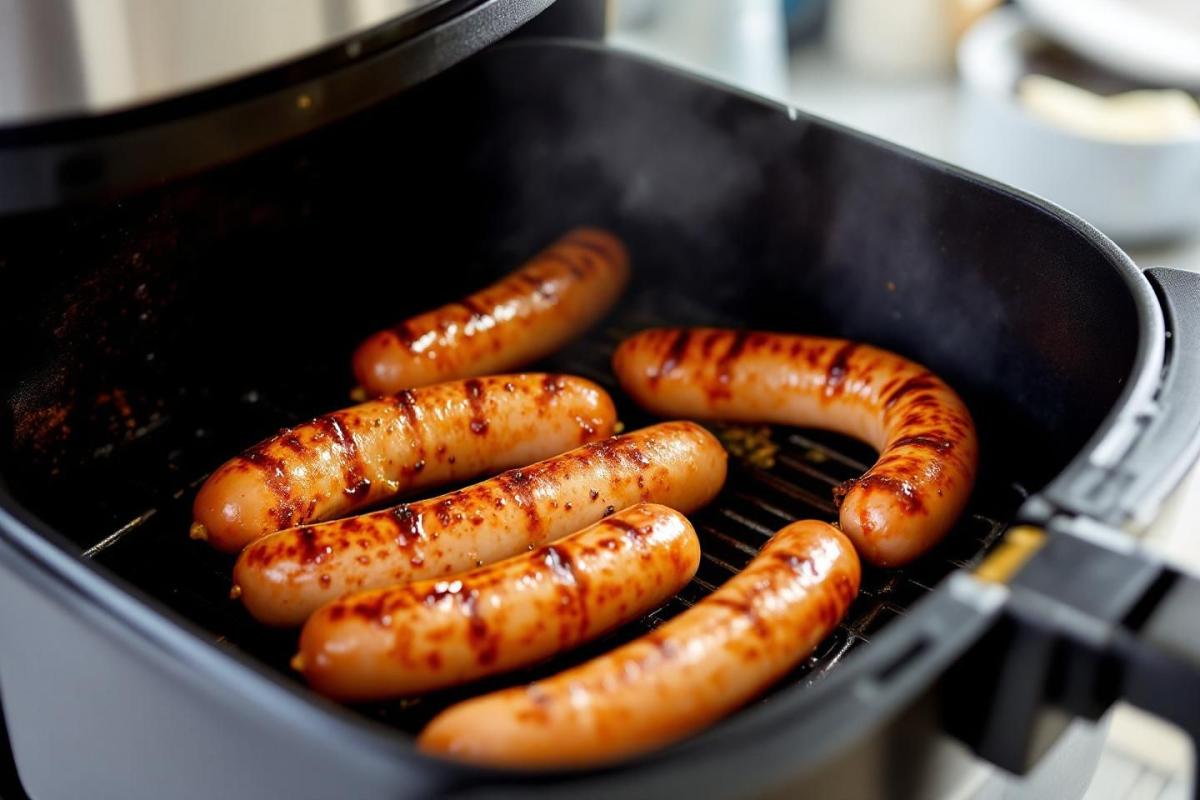
Air fryer bratwurst at 400°F requires 8-10 minutes for perfectly crispy, juicy results.
- Cook at 400°F for 8-10 minutes, flipping halfway through, until internal temperature reaches 160°F for food safety
- Space sausages in single layer without touching to ensure proper air circulation and even browning throughout
- Never pierce casings before cooking as this releases flavorful juices and dries out the sausage unnecessarily
- Store cooked brats 3-4 days refrigerated for convenient meal prep, reheating at 350°F for 10-15 minutes
- Serve with traditional toppings like sauerkraut, mustard, and sautéed onions on pretzel rolls or slice for low-carb options
Cooking bratwurst in an air fryer transforms this beloved German sausage into a quick weeknight dinner solution. When you set your appliance to 400°F, you unlock a method that delivers crispy, golden exteriors while maintaining juicy interiors. The question of timing becomes crucial for achieving perfect results without overcooking or undercooking these protein-rich sausages.
Understanding the proper duration and technique ensures you’ll serve restaurant-quality brats from the comfort of your kitchen. Whether you’re preparing a family meal or planning ahead for busy evenings, mastering this cooking method opens doors to effortless entertaining and satisfying meals. The air fryer method offers advantages over traditional grilling or stovetop preparation, making it an increasingly popular choice for home cooks.
Perfect timing for crispy bratwurst
The golden rule for cooking brats at 400°F involves a total time of 8-10 minutes, depending on your specific appliance model and whether you preheat. When working with a preheated air fryer, aim for the shorter end of this range. If you skip preheating, expect to add an extra minute or two to compensate for the temperature buildup time.
The most critical factor isn’t the clock but rather the internal temperature reaching 160°F. This food safety threshold ensures your sausages are fully cooked while remaining moist and flavorful. Insert a digital meat thermometer lengthwise into the center of your brat to verify doneness. Many home cooks overlook this step, relying solely on visual cues, which can lead to inconsistent results.
Flipping your bratwurst halfway through promotes even browning and prevents one side from becoming overly charred. Around the 4-5 minute mark, use tongs to turn each sausage carefully. Some newer air fryer models with advanced circulation systems may produce acceptable results without flipping, but this simple step generally improves texture and appearance. If you’re preparing these for people accustomed to cooking brats on the stove, they’ll appreciate the comparable browning achieved through this technique.
Alternative temperature settings offer different textural outcomes. At 375°F, extend cooking time to 12-15 minutes for softer exteriors without the pronounced crisp. At 360°F with the same duration, you achieve more gentle, even cooking throughout. These lower temperatures work well when you’re simultaneously preparing sides or managing multiple dishes. The versatility of temperature options means you can adjust based on personal preference and schedule constraints.
Essential preparation steps before cooking
Proper setup begins with removing brats from refrigeration 10-15 minutes before cooking. This brief rest period allows the sausages to reach room temperature, promoting more uniform cooking from edge to center. Take them directly from packaging and arrange them in a single layer within your air fryer basket, ensuring none touch each other.
Air circulation represents the core principle behind air fryer technology. When sausages crowd together, they create barriers that block hot air flow, resulting in pale, steamed sections rather than evenly crisped surfaces. Depending on your basket capacity, you may need to work in batches. Standard models typically accommodate five brats comfortably, while larger toaster oven combination units can handle more.
Lightly coating the basket with oil prevents sticking and facilitates cleanup, though most modern non-stick surfaces perform adequately without this step. Never pierce the casings before cooking – a common misconception that actually releases flavorful juices and dries out your final product. The natural casings withstand the cooking process, occasionally developing small splits that are perfectly normal and don’t indicate any problem.
| Temperature | Cooking time | Texture outcome |
|---|---|---|
| 400°F | 8-10 minutes | Crispy, golden brown with slight char |
| 375°F | 12-15 minutes | Well-done with softer exterior |
| 360°F | 12-15 minutes | Even cooking throughout |
Serving suggestions and complementary pairings
Traditional Wisconsin-style presentation calls for specific bun selections and topping combinations that honor the German heritage of this sausage. Sheboygan hard rolls, with their thin crispy crust and pillowy interior, represent the gold standard. Pretzel rolls offer chewy, salty contrast, while New England-style top-split rolls provide stability for generous topping loads.
Classic condiments include sauerkraut, sautéed onions in butter, and various mustards from Dijon to spicy brown. Roasted peppers add color and sweetness, while cheese options like melted cheddar or Swiss create indulgent variations. For those following low-carb or keto protocols, skip the bun entirely and slice your brats into rounds for dipping in horseradish mustard or butter-garlic aioli. At just 2 net carbs and 12 grams of protein per sausage, this approach fits restrictive meal plans remarkably well.
Side dishes should balance the richness of bratwurst with fresh, tangy, or starchy elements. Consider these complementary options :
- Homemade coleslaw with vinegar-based dressing cuts through fatty richness
- Potato salad brings comforting starch and creamy texture
- Sautéed mushrooms and onions echo traditional beer garden flavors
- Roasted cabbage with lemon provides vegetable nutrition with minimal carbohydrates
Similar timing principles apply when preparing other proteins in your appliance, making it easy to expand your repertoire. Learning how long to cook pork chops in an air fryer follows comparable temperature and timing logic, building your confidence with various cuts.
Storage solutions and reheating methods
Meal preparation enthusiasts appreciate that cooked bratwurst stores exceptionally well for 3-4 days when properly refrigerated. Allow sausages to cool to room temperature, then transfer to airtight containers. This practice transforms a single cooking session into multiple quick meals throughout your week, particularly valuable for busy professionals and families.
Reheating options include microwave, skillet, or returning to the air fryer. For microwave reheating, cover and heat in 30-second intervals, turning between bursts. Stovetop warming takes about 10 minutes over medium heat with a small amount of butter or oil, turning occasionally. Air fryer reheating at 350°F for 10-15 minutes wrapped in foil produces results closest to freshly cooked, though you’ll add minimal new browning.
These versatile sausages work equally well for weekend tailgate parties, casual weeknight dinners, or meal prep containers for office lunches. The combination of protein content, satisfying flavor, and minimal supervision required during cooking makes them an invaluable addition to your regular rotation.