Abstract:
Mastering griddle burger cooking requires precise timing, proper temperature control, and essential technique knowledge.
- Temperature matters most : Preheat your griddle to 425°F for optimal crust development and thorough cooking throughout the patty
- Quick cooking times : Thin patties need only two to four minutes per side, with total cooking ranging from four to seven minutes depending on size
- Single flip technique : Flip only once to maintain juiciness, watching for the patty to be slightly more than halfway cooked before turning
- Proper meat selection : Use an 80-20 lean-to-fat ratio for optimal moisture and flavor balance throughout the cooking process
- Immediate assembly : Serve straight from the griddle with toasted buns and prepared toppings for maximum texture and temperature retention
Cooking burgers on a griddle can transform an ordinary meal into something extraordinary. When it comes to cooking times on a flat top, precision matters as much as technique. The beauty of preparing patties on a hot surface lies in achieving that perfect balance between a crispy exterior and juicy interior. Understanding the optimal duration for each cooking stage ensures consistent results every time you fire up your outdoor cooking equipment.
The process involves more than simply placing meat on a heated surface and waiting. Temperature control, patty thickness, and timing coordination all contribute to exceptional results. Whether preparing a quick weeknight dinner or hosting a backyard gathering, mastering these fundamentals elevates your cooking game significantly.
Getting your flat top ready for perfect patties
Before placing any meat on your cooking surface, proper heat management becomes absolutely critical. Your griddle needs to reach approximately 425 degrees Fahrenheit for optimal results. This temperature range creates the ideal conditions for developing that coveted crust while ensuring thorough cooking throughout the patty.
Starting with high heat initially, then adjusting to medium or medium-high works best for most gas models. For electric versions, setting the dial to 400 degrees Fahrenheit provides excellent starting conditions. The key lies in allowing adequate preheating time before introducing your ingredients to the surface.
Different zones on your cooking surface maintain varying temperatures. The center typically stays hottest while edges remain cooler. Understanding these temperature variations allows strategic placement of your meat balls for consistent cooking. Position them in hotter zones for proper searing and crust development.
An infrared thermometer proves invaluable for monitoring surface temperature accurately. This tool removes guesswork from the equation, ensuring your cooking surface reaches the ideal temperature range before beginning. Inadequate heat results in poor crust formation and longer cooking times, ultimately producing drier results. Conversely, excessive heat burns exteriors while leaving interiors undercooked.
Timing breakdown for griddle burger perfection
Once your meat hits the properly heated surface, timing becomes remarkably quick compared to traditional grilling methods. Thin patties typically require only two to four minutes per side when cooked at the correct temperature. This rapid cooking time stems from their reduced thickness after the smashing process.
The first side needs adequate time to develop that characteristic brown crust. Watch for the meat to be slightly more than halfway cooked through before flipping, with some pink spots still visible on top. This visual cue proves more reliable than relying solely on clock watching.
| Patty Size | First Side Duration | Second Side Duration | Total Time |
|---|---|---|---|
| Slider (2 oz) | 2-3 minutes | 1-2 minutes | 3-5 minutes |
| Regular (3-4 oz) | 2-4 minutes | 2-3 minutes | 4-7 minutes |
| Large (8 oz) | 3-4 minutes | 2-3 minutes | 5-7 minutes |
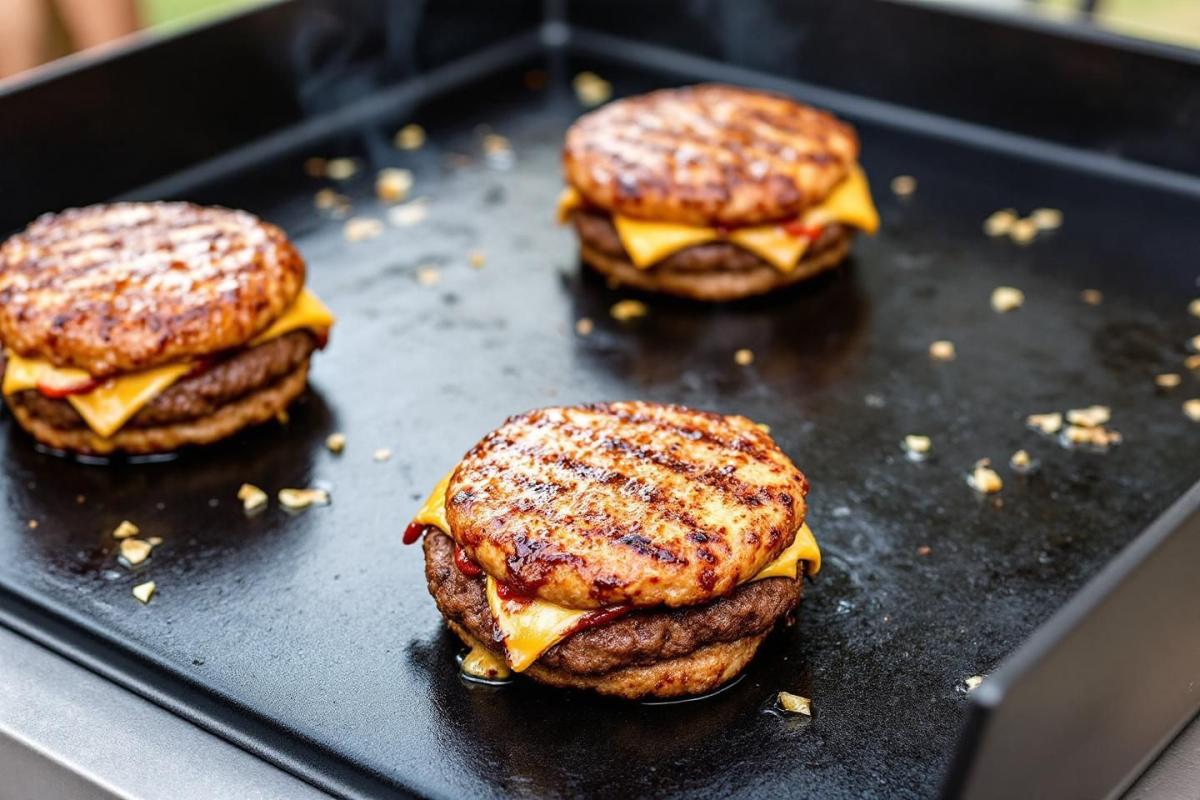
After flipping, the second side requires less time since much of the cooking already occurred. Add cheese approximately one minute before completion, allowing sufficient melting time without overcooking the meat. A steaming dome accelerates this process when combined with a small amount of water around the patties.
Resist the temptation to flip multiple times. Single flipping maintains juiciness and prevents drying out the meat. Over-manipulation leads to moisture loss and compromised texture. Trust the process and allow each side adequate time to develop properly before turning.
Similar precision matters when preparing other proteins, much like understanding how to cook a steak in an air fryer requires attention to timing and temperature.
Essential techniques for consistent results
Ground beef selection significantly impacts final outcomes. An 80-20 ratio of lean meat to fat provides optimal moisture and flavor balance. Leaner blends produce drier results while fattier options become excessively greasy. This specific ratio allows patties to cook in their own juices while developing that desirable crispy exterior.
Forming properly sized meat balls requires minimal handling. Overworking the meat creates dense, tough textures. Simply portion out three to four ounces per patty, gently rolling into balls without excessive compression. Using a one-third cup measuring cup provides consistent portioning without requiring a scale.
The smashing technique must occur within five seconds of contact with the hot surface. Place parchment paper atop each ball before pressing down firmly with your burger press. Rock the tool side to side ensuring uniform thickness across the entire patty. Maintain pressure for approximately ten seconds to maximize crust development.
Season immediately after smashing, before allowing cooking to commence. A simple combination of salt and pepper works wonderfully, though various seasoning blends enhance flavor profiles. Since these patties are quite thin, seasoning only the top surface after smashing proves sufficient.
When flipping, work your spatula firmly underneath to release the crust from the cooking surface. Hold at a slight angle and use aggressive sliding motions to free the patty completely. Scraping up that crust ensures maximum flavor in every bite, as this caramelized layer contains concentrated taste compounds.
Preparation extends beyond the meat itself. Toast buns face-down on the griddle surface while patties cook, dabbing them in residual grease for added flavor. Add a thin layer of butter or mayonnaise to cut sides before toasting until golden brown. This approach, similar to techniques used when learning how to cook brats on the stove, creates complementary textures throughout your meal.
Maximizing flavor with proper finishing touches
Once cooking completes, immediate serving preserves optimal texture and temperature. Stack two thin patties together for satisfying portion sizes, creating approximately one-third pound burgers when using three-ounce portions. Transfer to prepared buns with prepped condiments ready for quick assembly.
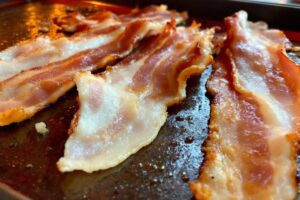
Topping options range from classic simplicity to creative combinations. Traditional choices include lettuce, tomato, onion, and pickles. For enhanced flavor complexity, consider caramelized onions, crispy bacon, or various cheese varieties beyond American. The high-fat content in properly prepared patties means they taste exceptional even without elaborate additions.
Key considerations for exceptional results include :
- Prepare all ingredients before heating your cooking surface
- Unwrap cheese slices and arrange seasonings within easy reach
- Have spatulas and parchment paper readily accessible
- Toast buns simultaneously with cooking meat for efficiency
- Clean the surface immediately after cooking before residue hardens
Storage of leftovers remains possible for three to four days when properly refrigerated, though freshly prepared versions always taste superior. The crispy crust softens during storage, though reheating can restore some textural appeal. Consider preparing only quantities needed for immediate consumption whenever possible.
Mastering griddle cooking requires practice and attention to detail. Each session builds understanding of how your specific equipment performs and how visual cues indicate readiness. With consistent application of these principles, you’ll produce restaurant-quality results that showcase the remarkable potential of flat top cooking.