Abstract:
Pressure cookers transform frozen poultry into tender, juicy meals without thawing, revolutionizing last-minute dinner preparation.
- Cooking times vary significantly by cut and size : boneless breasts require 10-16 minutes while bone-in pieces need 25-30 minutes at high pressure, followed by natural release
- Proper preparation includes adding at least one cup of liquid, arranging pieces in a single layer, and ensuring poultry is halfway submerged for optimal results
- Always verify internal temperature reaches 165°F in the thickest portion ; total cooking time spans approximately 30-37 minutes from start to finish
- Batch cooking advantages enable preparing five to six pounds simultaneously, with cooked meat storing three to four days refrigerated or three months frozen
The pressure cooker has revolutionized meal preparation for busy households, particularly when dinner plans go awry. Discovering how to properly cook frozen poultry in this appliance eliminates the stress of last-minute meal preparation. The beauty lies in transforming solidly frozen protein into tender, juicy meat without advance planning or lengthy thawing processes.
Many home cooks keep frozen poultry on hand for convenience, making this cooking method invaluable. The appliance works by creating a high-pressure environment that cooks food rapidly while retaining moisture. This technique proves especially effective with frozen proteins, bringing them to safe temperatures quickly while preserving texture and flavor.
Cooking times based on poultry size and cut
Understanding proper timing ensures perfectly cooked results every time. The size and type of cut significantly impacts cooking duration. Small boneless skinless breasts weighing six to eight ounces require 10 to 12 minutes at high pressure, followed by a 10-minute natural release. Medium pieces ranging from nine to ten ounces need 13 to 14 minutes, while large 12-ounce portions demand 16 minutes under pressure.
Different cuts require specific adjustments to achieve optimal results. Boneless thighs cook perfectly in 13 minutes, whereas bone-in versions need 15 minutes. Tenders represent the quickest option, requiring only six minutes due to their smaller size and thinner profile. For those wondering about how long to cook chicken tenderloins in the oven, the pressure cooking method offers a faster alternative.
Bone-in skin-on breasts demand considerably longer cooking periods, typically 25 to 30 minutes depending on size. Wings require 20 minutes, while drumsticks need 25 minutes at high pressure. These extended times account for the bone density and skin layer, which affect heat penetration. After the cooking cycle completes, always allow natural pressure release for ten minutes before manually venting remaining steam.
| Chicken cut | Weight range | Cooking time |
|---|---|---|
| Small boneless breasts | 6-8 ounces | 10-12 minutes |
| Medium boneless breasts | 9-10 ounces | 13-14 minutes |
| Large boneless breasts | 12 ounces | 16 minutes |
| Boneless thighs | Varies | 13 minutes |
| Tenders | Small | 6 minutes |
Essential preparation and liquid requirements
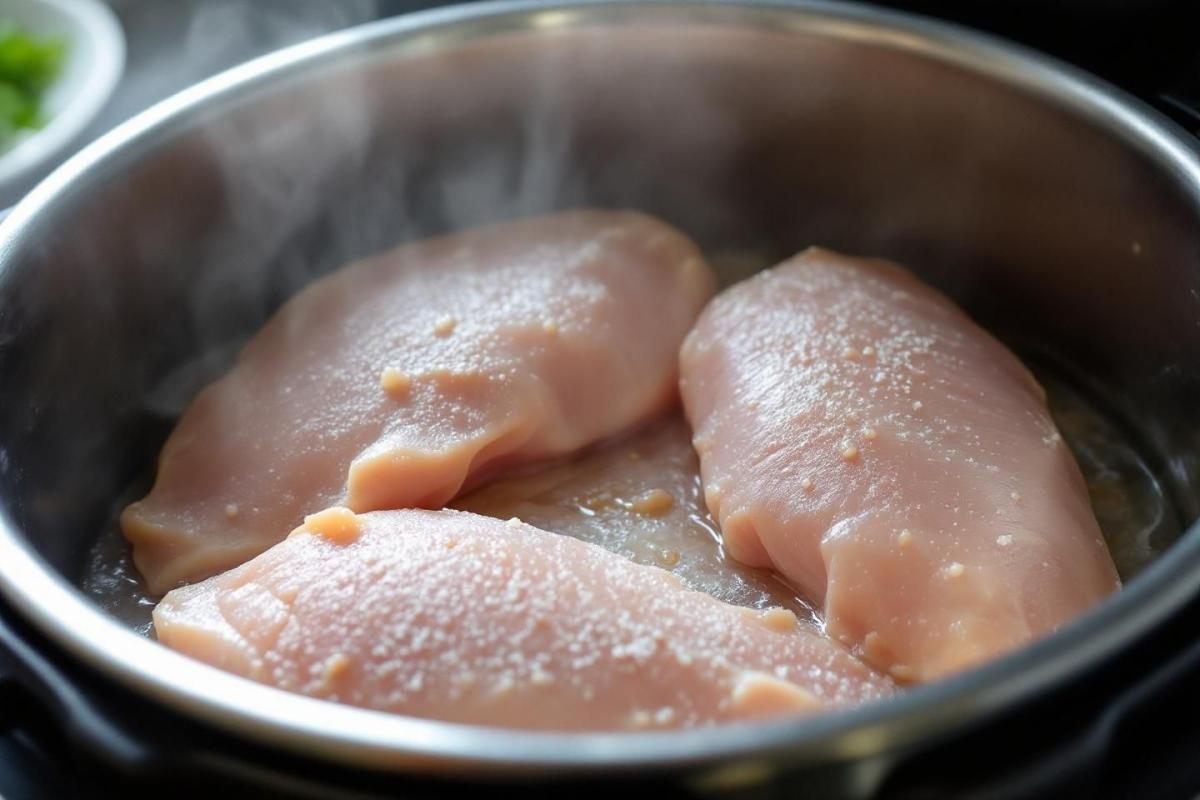
Proper setup guarantees successful results and prevents common pitfalls. Begin by arranging frozen pieces in a single layer at the bottom of the pot when possible. Add at least one cup of liquid, choosing from water, broth, pineapple juice, apple juice, or salsa. The poultry should be at least halfway submerged for optimal cooking. For two pounds of frozen protein, half a cup of water suffices, though using broth enhances flavor considerably.
Season generously with salt, pepper, garlic powder, onion powder, and preferred herbs before cooking. Italian seasoning, paprika, or taco seasoning work wonderfully depending on your intended dish. Close the lid securely and ensure the steam release valve sits in the sealing position, a frequently forgotten step that prevents pressure buildup.
How you freeze poultry before cooking matters tremendously. Pieces frozen individually rather than in a solid block cook more evenly. Wrap each piece in plastic wrap, freeze flat on a baking sheet for several hours, then transfer to freezer bags. This prevents pieces from sticking together. If pieces are frozen together, place them in cool water until separable, as a solid frozen mass cooks unevenly, resulting in overcooked edges and raw centers.
Checking doneness and serving suggestions
Food safety requires verification that meat reaches minimum internal temperature of 165 degrees Fahrenheit. Check the thickest portion using an instant-read thermometer. Testing confirmed that recommended cooking times often produce internal temperatures reaching 180 degrees or higher. If the meat hasn’t reached safe temperature, use the sauté function to finish cooking, or return to high pressure for two to three additional minutes.
The appliance typically takes ten minutes to reach pressure before the cooking cycle begins. Total preparation time from start to finish spans approximately 30 to 37 minutes, including pressure buildup, cooking, and release periods. This proves faster than oven methods requiring 45 to 60 minutes, similar to how long to cook pork chops in an air fryer for quick meal preparation.
Once cooked, let meat rest five minutes before slicing or shredding. For shredding, use two forks while the protein remains warm, or employ a stand mixer for effortless results in under 30 seconds. Add some cooking liquid when shredding to maintain moisture. The resulting tender, juicy meat works beautifully in numerous dishes :
- Tacos, burritos, quesadillas, and enchiladas for Mexican-inspired meals
- Sandwiches, wraps, and lettuce cups for handheld options
- Salads, grain bowls, and pasta dishes for complete dinners
- Soups including noodle varieties and tortilla preparations
- Casseroles, pizza toppings, and pot pies for comfort food
Storage solutions and batch cooking advantages
Cooked poultry stores well in airtight containers for three to four days refrigerated. For longer preservation, freeze completely cooled meat in freezer-safe bags for up to three months. Freeze individual portions for convenient future use, shredding before freezing if desired for easier incorporation into recipes.
Batch cooking proves incredibly practical. Two pounds of frozen breasts yields six to eight cups of shredded meat. A six-quart appliance accommodates five to six pounds simultaneously without timing adjustments, as quantity doesn’t affect cooking duration—only individual piece size matters. For five pounds, cook 15 minutes with one cup of water. The meat shrinks by one-quarter to one-third during cooking, reducing final volume considerably.
Don’t discard the remaining cooking liquid. This flavorful broth serves as an excellent base for soups, stews, or sauces. Strain and refrigerate for five days or freeze for extended storage. This versatile method transforms frozen protein into perfectly cooked, tender meat regardless of your schedule, eliminating the perpetual question of what’s for dinner.