Abstract:
Master the art of smoking ham with proper timing, temperature control, and glazing techniques for perfect results.
- Cooking times vary by type : Uncooked smoked ham requires 20-25 minutes per pound at 325°F, while pre-cooked varieties need only 20 minutes per pound to reach 140°F internal temperature.
- Preparation matters : Thaw ham for 48 hours in refrigerator, score the fat cap in diamond patterns, and allow meat to reach room temperature before cooking for even heating.
- Glazing timing is critical : Apply glaze when internal temperature reaches 130°F to prevent burning, using maple spice or brown sugar honey combinations for caramelized finish.
- Multiple cooking methods work : Conventional ovens at 325°F or smokers at 225-250°F with fruit woods produce excellent results when properly monitored.
- Leftovers stay fresh : Store in airtight containers for 5 days refrigerated or freeze for up to 1 year using proper packaging techniques.
Preparing a succulent smoked ham requires understanding proper cooking times and techniques to achieve tender, flavorful results. Whether you’re working with a pre-cooked variety that simply needs reheating or a fresh smoked ham requiring thorough cooking, timing remains critical to avoid dryness while ensuring food safety. Most home cooks struggle with determining exact cooking duration, especially when dealing with bone-in varieties or spiral-cut options that cook at different rates.
The complexity increases when considering various cooking methods, from traditional oven roasting to smoker preparation. Understanding how different ham types respond to heat, along with proper temperature monitoring techniques, transforms what could be an intimidating culinary challenge into a manageable holiday centerpiece. This guide breaks down everything you need to know about cooking times, preparation methods, and serving suggestions for creating perfectly cooked smoked ham every time.
Understanding smoked ham varieties and preparation requirements
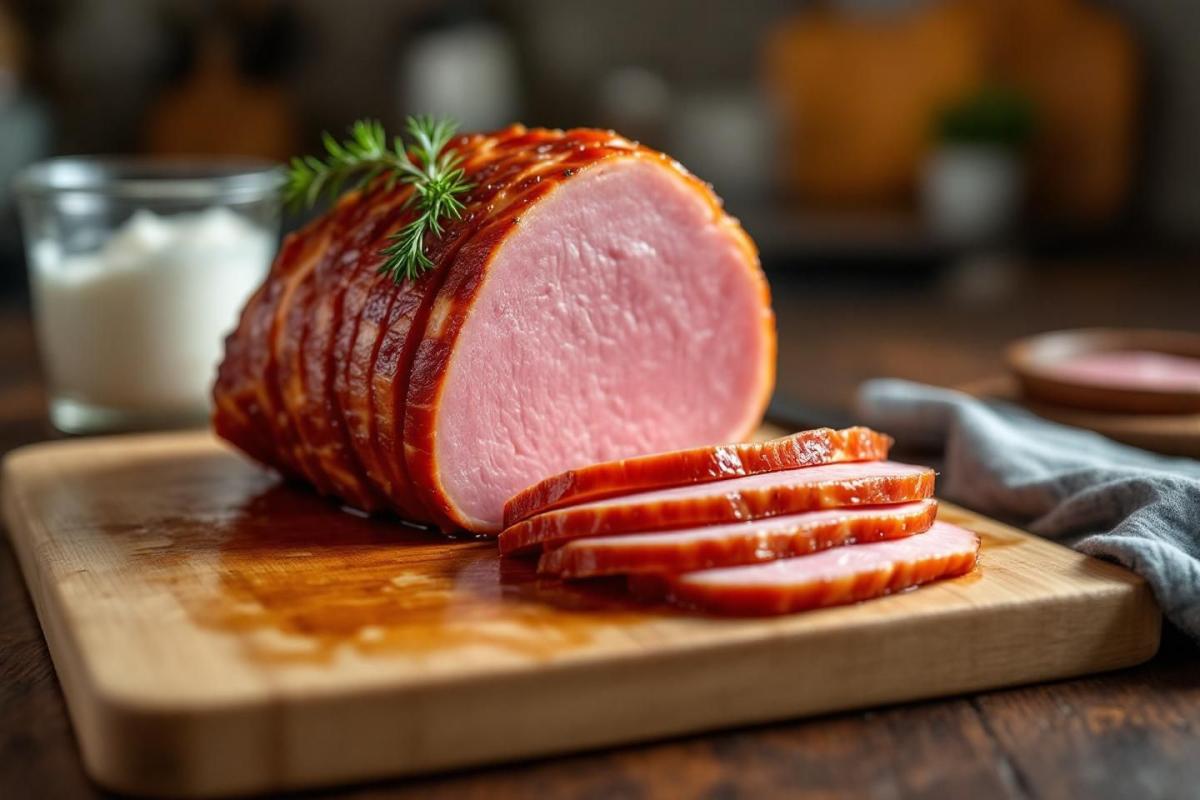
Smoked ham represents a section of the rear pork leg that undergoes curing in brine before hanging in a smokehouse, where low-temperature smoking occurs over extended periods. The USDA mandates specific labeling requirements that help identify whether your ham needs full cooking or simple reheating. Fresh smoked ham carries labels stating “cook thoroughly,” while fully cooked varieties display “ready-to-eat” or “fully cooked” designations.
When shopping at your local supermarket or butcher, you’ll encounter several format options. Whole bone-in hams serve 10-20 people, making them ideal for large gatherings, while half bone-in versions accommodate 8-10 guests comfortably. Spiral-cut hams feature machine-carved grooves around the bone, creating easier slicing capabilities and faster cooking due to increased surface exposure. Boneless options, available in petite or mini sizes, serve fewer than 8 people and eliminate carving challenges entirely.
Before cooking begins, proper thawing becomes essential. Refrigerator thawing requires 48 hours for most ham sizes, though rushed situations permit overnight counter thawing. Remove your ham from refrigeration 60-90 minutes before cooking, allowing it to reach room temperature for more even heating. Pat the surface dry thoroughly, which promotes better browning and glaze adhesion during cooking. No soaking or additional brining proves necessary, even for pre-brined products.
Scoring the fat cap in a diamond pattern with 1-inch diagonal slices at 1/4-inch depth creates both visual appeal and functional benefits. Studding each diamond with whole cloves adds aromatic complexity while the scoring allows rendered fat to baste the meat naturally. This preparation step works particularly well when planning to apply glazes during the final cooking stages, creating those caramelized, glossy finishes associated with holiday presentations.
Cooking time guidelines and temperature specifications
The fundamental rule for uncooked smoked ham centers on 20-25 minutes per pound when targeting proper doneness. Pre-cooked varieties require approximately 20 minutes per pound to reach the recommended 140°F internal temperature. However, spiral-cut options cook faster at roughly 15 minutes per pound due to their increased surface area exposure, which accelerates heat penetration throughout the meat.
| Ham Weight | Approximate Cooking Time | Internal Temperature Goal |
|---|---|---|
| 5 pounds | 90 minutes | 140°F (pre-cooked) / 145°F (fresh) |
| 6 pounds | 2 hours to 2 hours 15 minutes | 140°F (pre-cooked) / 145°F (fresh) |
| 6.5 pounds bone-in | 2 hours 15 minutes total | 140°F (pre-cooked) / 145°F (fresh) |
| 8 pounds bone-in | 2 hours 30 minutes | 140°F (pre-cooked) / 145°F (fresh) |
| 10 pounds | 3 hours 20 minutes | 140°F (pre-cooked) / 145°F (fresh) |
Temperature specifications differ between fresh and pre-cooked varieties. Fresh uncooked smoked ham must reach 145°F internally to ensure food safety, while pre-cooked options only need warming to 140°F. An alternative approach involves heating pre-cooked ham to 100-110°F, then allowing 30 minutes of resting time for carryover cooking and juice redistribution throughout the meat. Similar to how long to cook a turkey breast, proper temperature monitoring prevents both undercooking and dryness.
When using conventional ovens, preheat to 325°F for consistent results. Line your roasting pan with foil for easier cleanup, then place the prepared ham flat side down. For a 6.5-pound bone-in ham, roast undisturbed for 1 hour 45 minutes before applying glaze. Continue at 325°F for 15 minutes, then increase temperature to 450°F for the final 15 minutes, creating that desirable caramelized exterior. Cover any dark spots with foil to prevent burning while allowing the rest to develop color.
Smoker preparation requires different temperature considerations. Preheat your smoker to 225-250°F for optimal moisture retention, using fruit woods like apple or cherry for complementary flavor profiles. Place the ham flat side down with a thermometer probe inserted into the center without touching bone. For how long to cook bone-in turkey breast in the oven questions, similar principles apply regarding probe placement and temperature monitoring.
Glazing techniques and timing considerations
Successful glaze application depends on timing and temperature awareness. Apply your chosen glaze when internal temperature reaches 130°F to prevent premature burning, which creates bitterness rather than the desired sweet, caramelized coating. Popular options include maple spice blends combining maple syrup with cardamom, cinnamon, ginger, allspice, and coconut palm sugar for refined sugar-free preparations.
Brown sugar honey glaze offers traditional appeal through butter, shallots, garlic, dark brown sugar, apple cider vinegar, honey, Dijon mustard, cayenne pepper, and kosher salt. Preparation involves melting butter over medium heat, sautéing shallots for 6-8 minutes until soft, then adding garlic for 1 minute. Incorporate remaining ingredients and simmer for 10 minutes without boiling, allowing sugar to dissolve and thicken the mixture naturally. If consistency becomes too thick, add warm water one tablespoon at a time.
For oven-roasted preparations, reserve half your glaze for the first application, then return the ham for 15 additional minutes of cooking. Apply remaining glaze before the final high-temperature blast, creating multiple layers of flavor development. When smoking, apply the first glaze application when ham reaches 130°F, continue smoking for 30 minutes to 140°F, then apply a second coat. This dual application technique builds complexity while the smoke infuses aromatic qualities throughout.
Serving suggestions and leftover utilization
Planning portions requires calculating 3/4 pound of pre-smoke weight per person, which accounts for a couple slices alongside traditional accompaniments. Side dish pairings enhance the meal experience through contrasting flavors and textures. Consider holiday salads with thyme balsamic vinaigrette, garlic roasted cabbage steaks, maple mashed sweet potatoes, or cornbread stuffing with andouille sausage for complementary flavor profiles.
Vegetable sides like Brussels sprouts with crispy shallots, instant pot mashed potatoes, or grilled green beans with lemon provide balance to the rich, smoky ham flavors. For those seeking lighter options, broccolini on the grill or grilled and glazed carrots offer nutritional variety without overwhelming the centerpiece protein. Perfect roasted potatoes deliver comfort food appeal while maintaining relatively simple preparation requirements.
Wine pairing elevates the dining experience significantly. White wine selections include Riesling as the ideal match, alongside Rosé, Pinot Gris, or bold California Chardonnay that complements caramelized brown sugar honey notes. Red wine enthusiasts should explore Pinot Noir, Gamay variations from Beaujolais regions, or bold and fruity Zinfandel options that stand up to smoky, sweet flavor combinations without overpowering delicate meat textures.
Leftover utilization extends the value of your cooking efforts considerably. Transform remaining slices into ham cheese and spinach stuffed sweet potatoes, scrambled eggs with ham and kale, or traditional ham and bean soup. Consider ham and split pea soup, smoked ham sandwiches, smoked Cuban sandwiches, or smoked ham hash for breakfast applications. Storage in airtight containers maintains quality for up to 5 days refrigerated, while Food Saver packs enable freezing for up to 1 year. Pan searing in cast iron with oil or butter over medium heat provides quick reheating, while oven methods at 325°F wrapped in foil for 15 minutes restore warmth without sacrificing moisture.