Abstract:
Master the art of cooking turkey breast with proper timing, temperature control, and preparation techniques.
- Cooking time : Roast at 350°F for 12 to 15 minutes per pound, reaching 165°F internal temperature
- Preparation : Thaw properly, create compound butter with herbs, and separate skin from meat for maximum flavor
- Technique : Position in lower oven rack, avoid basting, tent with foil if browning too quickly
- Resting period : Allow 10 to 15 minutes after cooking for juices to redistribute throughout the meat
- Storage : Refrigerate up to 4 days or freeze for 3 months in airtight containers
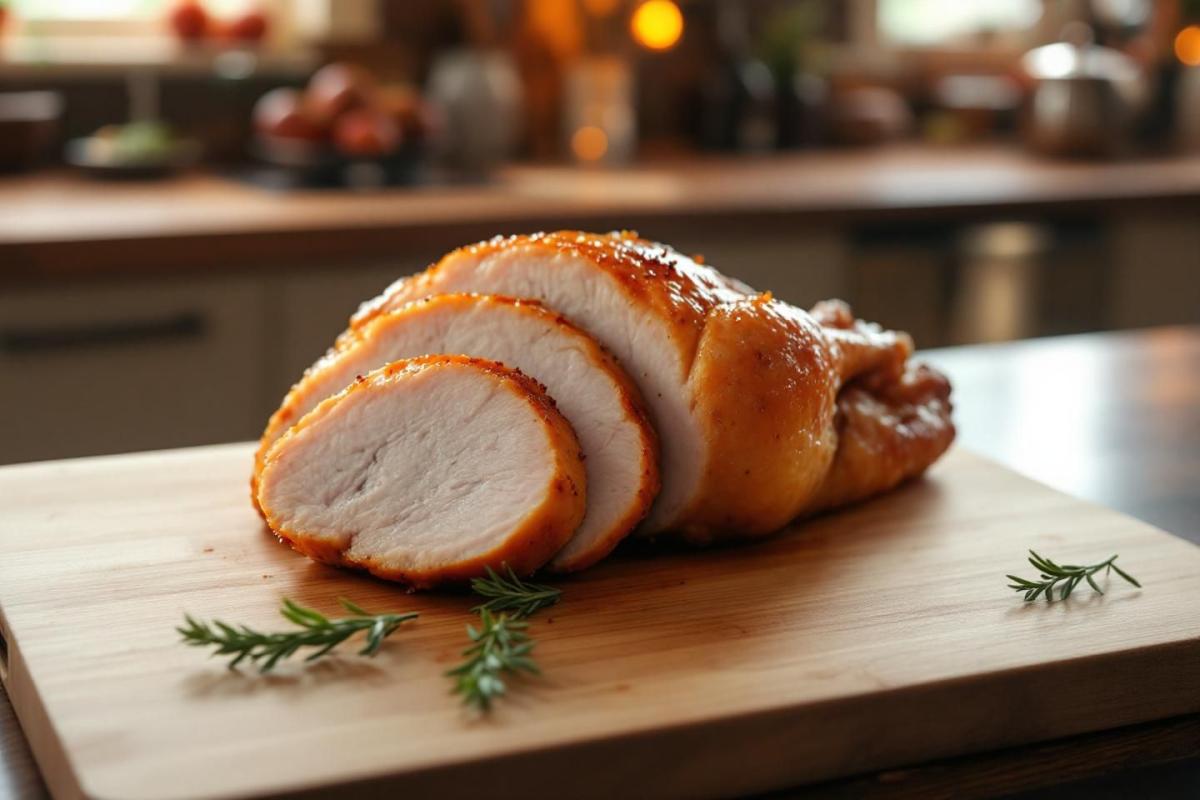
Cooking a turkey breast represents an elegant alternative to roasting an entire bird, especially when you’re hosting a smaller gathering or simply prefer white meat. Understanding the proper cooking duration ensures your turkey emerges from the oven with juicy, tender meat and beautifully golden skin. The key to success lies in monitoring both time and internal temperature, with 165°F measured at the thickest part being your target. Whether you’re preparing a weeknight dinner or a special holiday meal, mastering turkey breast roasting opens up countless culinary possibilities without the intimidation of handling a whole turkey.
Understanding cooking times for bone-in turkey breast
The cooking duration for your turkey breast depends primarily on its weight and cooking method. For oven roasting at 350°F, you’ll need approximately 12 to 15 minutes per pound. This translates to manageable timeframes that fit into most cooking schedules without requiring an entire day in the kitchen.
When working with different sizes, planning becomes straightforward. A smaller breast weighing between 3 and 5 pounds requires 1 to 2¼ hours in the oven. Mid-sized options ranging from 5 to 7 pounds need 2¼ to 3 hours, while larger breasts between 7 and 9 pounds take 3 to 3½ hours. These timeframes include only the actual roasting period, with preparation adding merely 15 minutes to your total commitment.
The following table provides clear guidance for planning your cooking schedule :
| Turkey breast weight | Roasting time at 350°F | Slow cooker (high) | Slow cooker (low) |
|---|---|---|---|
| 3-5 pounds | 1 to 2¼ hours | 3-4 hours | 5-6 hours |
| 5-7 pounds | 2¼ to 3 hours | 4-5 hours | 6-7 hours |
| 7-9 pounds | 3 to 3½ hours | 5-6 hours | 7-8 hours |
Always verify doneness with a reliable meat thermometer rather than relying solely on timing. Insert the probe into the thickest portion without touching bone, ensuring the reading reaches 165°F. If cooking from frozen, expect approximately 50% more time, meaning an 8-pound frozen breast needs 135 to 180 minutes compared to 90 to 120 minutes when thawed.
Essential preparation steps before cooking
Success begins long before your turkey enters the oven. Proper thawing ensures even cooking and allows seasonings to penetrate effectively. Never attempt to cook a frozen turkey breast if you want optimal results, as seasonings cannot adhere to frozen surfaces and extended cooking times risk drying out the meat.
For refrigerator thawing, adjust your appliance to 40°F or below and place the packaged breast in a baking pan. Allow 24 to 36 hours for complete defrosting. This method offers the safest approach and requires minimal attention. Alternatively, cold water thawing works faster when time is limited. Submerge the packaged breast completely in cold water, changing the water every 30 minutes until fully thawed.
Creating a compound butter mixture elevates flavor significantly. Combine these ingredients thoroughly :
- ½ cup softened unsalted butter at room temperature
- 2 garlic cloves finely minced
- 2 teaspoons fresh thyme leaves
- 2 teaspoons minced fresh rosemary
- 1 tablespoon minced fresh sage
- ¾ teaspoon fine salt and ½ teaspoon black pepper
Pat the turkey completely dry with paper towels, both inside and out. Moisture prevents proper browning and interferes with seasoning adherence. Carefully separate the skin from the meat by sliding your fingers underneath, creating a pocket without tearing the skin. Apply half the compound butter directly onto the meat beneath the skin, then spread the remainder over the exterior surface. This technique ensures flavor penetrates deeply while keeping the meat exceptionally moist.
Cooking techniques for optimal results
Position your oven rack in the lower third and preheat to 350°F, removing any upper racks that might interfere. Place the prepared breast skin-side up in a roasting pan, either metal or disposable. Insert an oven-safe wireless temperature probe into the thickest section if available, eliminating the need to open the oven repeatedly.
Resist the temptation to baste during cooking. The compound butter layer provides sufficient moisture, and constantly opening the oven disrupts temperature consistency, extending cooking time and potentially drying the meat. This hands-off approach actually delivers superior results compared to traditional basting methods.
Monitor the skin color after 65 to 75 minutes. If browning too quickly, loosely tent aluminum foil over the top without sealing it completely. This prevents excessive darkening while allowing continued cooking. During the final 30 to 45 minutes, apply foil loosely to maintain beautiful golden-brown skin without burning.
Once the internal temperature reaches 165°F, remove the turkey from the oven. Let it rest in the roasting pan, still loosely covered with foil, for 10 to 15 minutes. This resting period allows juices to redistribute throughout the meat, ensuring every slice remains succulent. Transfer to a serving platter and carve at the table for impressive presentation, or slice in the kitchen before serving.
Storing and utilizing your cooked turkey
Proper storage extends the enjoyment of your perfectly cooked turkey breast well beyond the initial meal. Remove all meat from the bone once it reaches room temperature, then transfer to airtight containers. Refrigerated leftovers remain safe and delicious for up to 4 days, providing convenient protein for various meals throughout the week.
For longer storage, place turkey meat in freezer-safe bags or containers and freeze for up to 3 months. The tender texture and rich flavor survive freezing remarkably well, making this an excellent strategy for meal planning. Don’t discard the bones—save them for making nutrient-rich homemade bone broth that adds depth to soups and gravies.
Leftover turkey offers remarkable versatility in the kitchen. Serve it cold directly from the refrigerator for quick sandwiches or salads. The moist, tender meat adapts beautifully to recipes calling for cooked chicken, from casseroles to enchiladas. Consider making turkey soup with vegetables and noodles, or incorporate the meat into pasta dishes and grain bowls.
You can prepare turkey breast the day before your event and serve it chilled or at room temperature, though freshly roasted turkey offers the best presentation and flavor. For reheating, use a shallow pan on the stovetop with a small amount of olive oil or broth to maintain moisture and prevent drying.